WHAT IS THE MUSIC COMMUNITY HOUSING PILOT?
Imagine a city where creators aren't forced out by a tidal wave of unaffordability. The Canadian Music Community Housing Pilot is an attainable workforce housing initiative created by Trade Routes Canada. The program provides secure long term (40 yrs), rent-controlled live/work units specifically for professional musicians and cultural workers.
The pilot operates in two phases: a Referral Program placing qualified applicants into available workforce housing units today, and an Acquisition phase to secure additional long-term units for tommorrow.
Complete the Survey
IMPACT AT A GLANCE
29x
Economic Footprint
For every $1 invested in Canada's arts and culture sector, $29 in total economic activity is generated. Cultural workers are economic spark plugs, not a social expense.
43%
Income Gap
The median income for cultural workers sits at $27,000—43% below the national average—requiring flexible income verification models for self-employed applicants.
20
Pilot Units
Immediate workforce units secured in Toronto's St. Lawrence neighborhood to stabilize housing for active creative professionals in the city core.
OPEN HOUSING CALLS
Music Community Housing Pilot Submission - ROQ CITY in Toronto, ON Opens August 31, 2026
STAY TUNED !
Attainable Workforce Housing for the Cultural Sector
The Problem: An Impending Cultural Collapse
The creative workforce is the engine of Canada’s $63.2 billion culture sector, yet it is facing an escalating housing market failure. With a median income of just $27,000—43% below the national average—and 52% of artists operating as self-employed cultural workers, our musicians and cultural professionals routinely fail standard landlord income screenings and are often forced to find unique, rare, or unconventional living arrangements.
Behind these statistics is an impending tidal wave of unaffordability about to total crushing our cultural creators. We are seeing talented newcomers caught in the "basement trap,” paralyzed in expensive, poorly soundproofed apartments where they aren't allowed to make noise to practice, produce, or teach. We are seeing young families facing the urban squeeze, forced to choose between raising a child and abandoning their art for survival jobs. We are even seeing senior artists, whose life's work enriched our country, navigating their later years without a stable long term permanent home and anchor.
This is rapidly displacing the talent that makes our cities vibrant and economically productive. If the talent pool leaves, our cities risk becoming culturally vacant, hollowed out, and devoid of community as our local cultural industries cease to exist.
The Solution: Securing Permanent Community Spaces
The best part of this project is that it gives our artists a permanent anchor and their livelihoods back. Trade Routes Canada treats housing as essential productivity infrastructure. We are working towards the purchase of existing groups of apartments to secure permanent workforce housing at a significant discount to new construction costs. Instead of waiting years for new developments, we are working to acquire existing real estate. By avoiding skyrocketing costs and construction delays, we are keeping instruments out of closets and ensuring our artists have the immediate freedom to create, rehearse, and live in one secure space, long term.
A Coalition for the Community: How We Work With You
Building a national housing network requires seamless cross-sector collaboration. Here is how our model specifically serves our vital stakeholders:
- For Musicians & Music Professionals: You need flexible spaces to live, work, and create without the constant threat of eviction. We operate a fair, chronological waitlist based on objective income and professional eligibility, there are no committees or juries. Because we know cultural worker incomes fluctuate, we advocate for a flexible Rent-to-Income (RTI) tolerance, allowing you to confirm your eligibility for units that standard landlords may typically deny you for.
- For Real Estate Developers, Landlords, & Banks: We take the guesswork out of leasing by providing a steady list of verified, ready-to-lease candidates from our waitlist who are eager to move in. To allow institutional partners to safely accept qualified music professionals who may dedicate a large portion of their income to rent, we connect our community directly with established, rapid-response industry support systems like the Unison Fund. If an applicant experiences an unexpected income shock, they have immediate, streamlined access to emergency financial aid to help keep their rent paid and their tenancy stable.
- For Philanthropists & Foundations: This is a high-yield social impact investment. Through asset-backed impact capital, we protect your principal through real estate acquisitions while ensuring it directly stabilizes the local workforce.
- For Government & Municipal Policymakers: We provide a proactive intervention that catches cultural workers before displacement occurs. Providing stable live/work space protects artists facing a median income gap 43% below the national average. By stabilizing this workforce, municipalities protect public housing waitlists down the line while retaining the key drivers behind Canada’s $63 billion cultural GDP footprint.
- For the General Public: We are stabilizing the cultural core of our city. Unaffordable housing forces creators out, threatening the local businesses, venues, and street vitality that make Toronto thrive. By retaining artistic talent in our downtown core, we build complete, economically vibrant, and safe neighborhoods for everyone.
Who We Are Building For
We aren't just moving real estate, we are rescuing real creators from impossible choices. Here is exactly who these units are for:

Escaping the Basement Trap
Imagine a music producer paralyzed in an expensive, poorly soundproofed basement unit today. Unable to make noise, they cannot teach, rehearse, or produce music. Their creative career is completely suffocated by their living conditions today.
The best part is:
We give them their livelihood back. By providing a flexible, cost-effective live/work environment, artists no longer have to choose between paying for shelter and practicing their craft.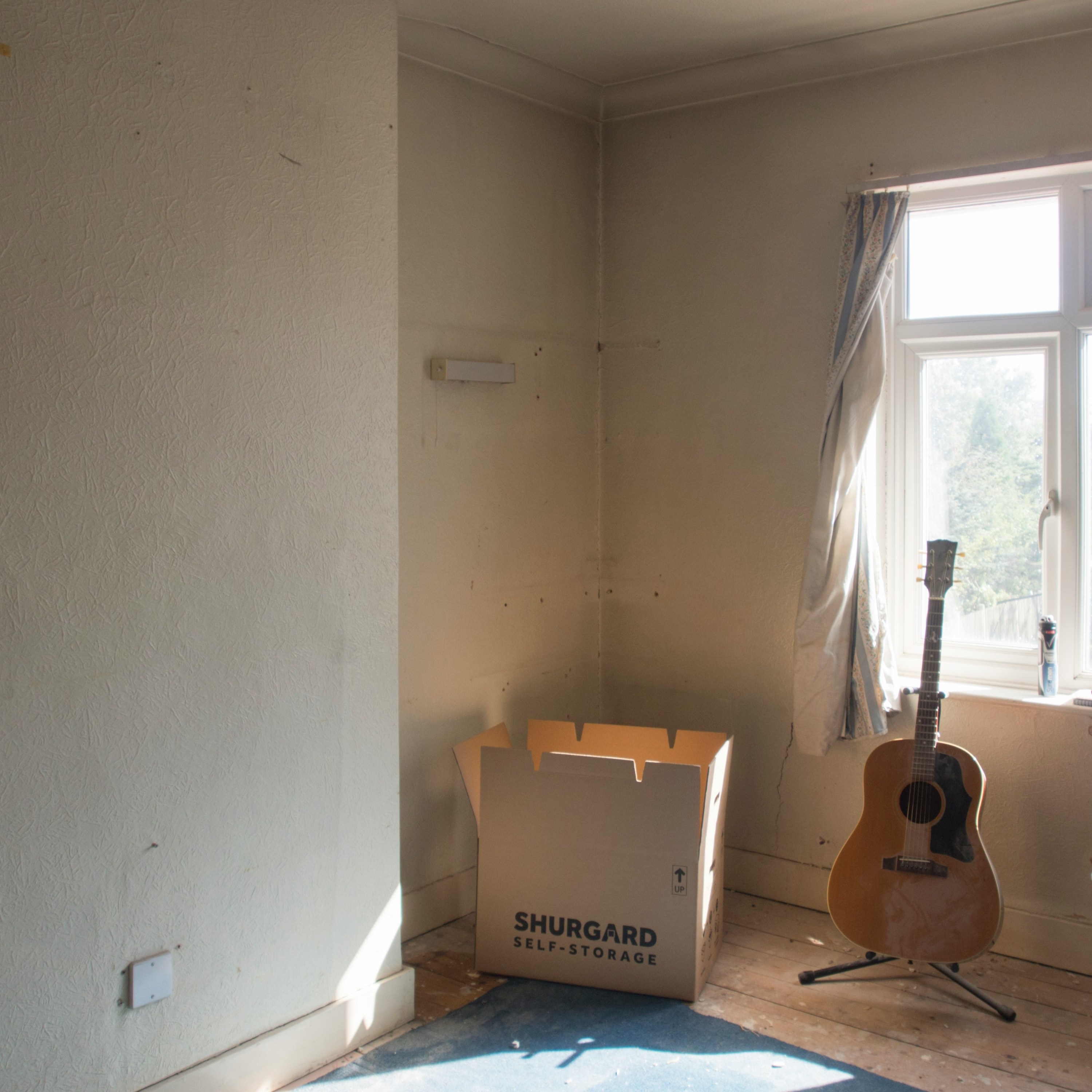
Stopping the Talent Bleed
Picture a brilliant newcomer forced to take a draining survival job to afford the city. Unable to pass standard lease screenings as a self-employed worker, they are pushed out, their instrument stored in a closet.
Why do this:
To stop this bleeding of talent. By providing units with a flexible Rent-to-Income tolerance, emerging artists get a foothold in the city and keep their instruments out of the closet.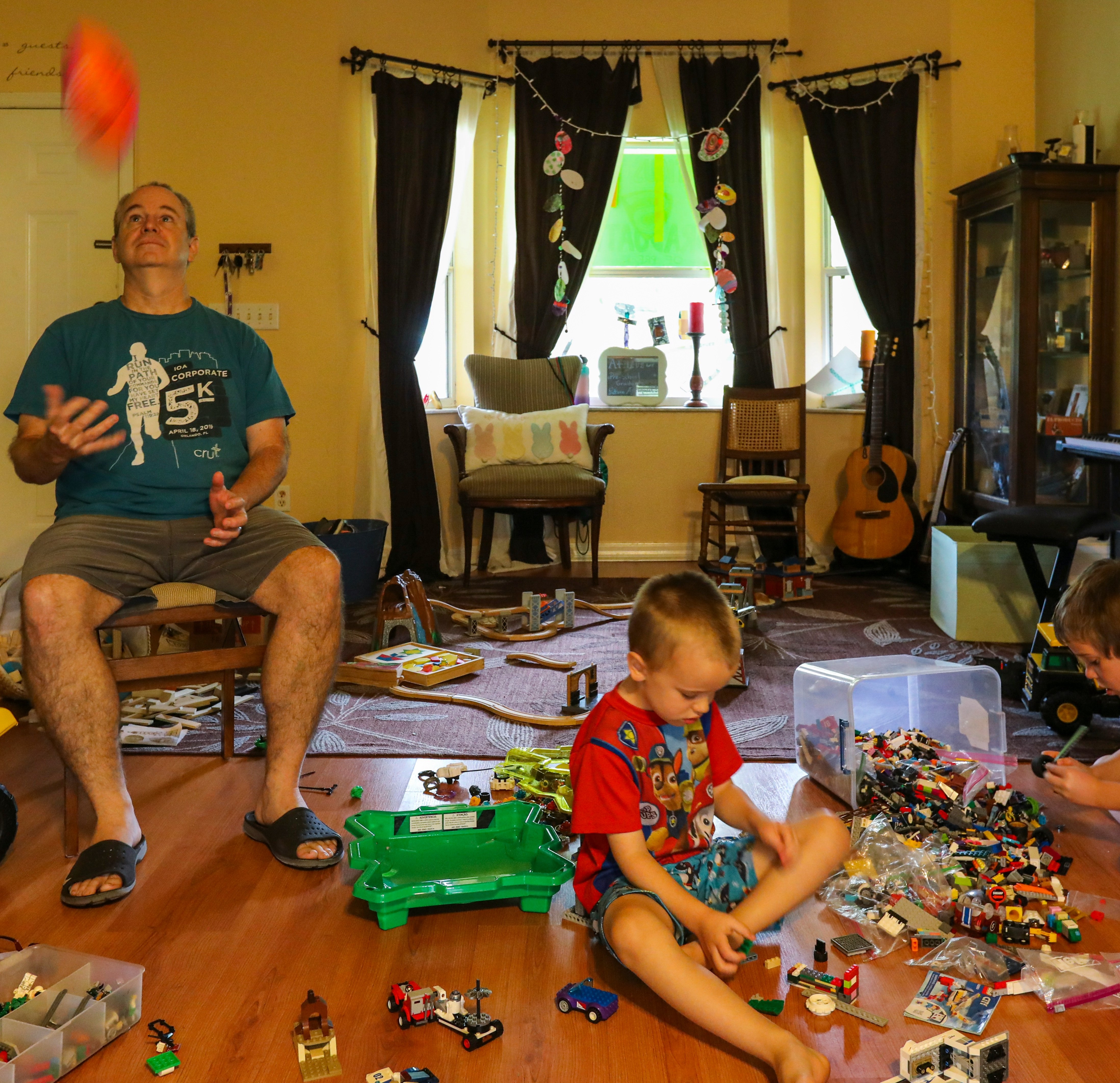
Surviving the Urban Squeeze
Think of a young family of three with a combined income of $80,000, staring down a wave of unaffordability. They desperately want to remain in the city, but it is becoming mathematically impossible to stay afloat.
The Solution:
Targeted workforce housing. By securing stable housing, we ensure the artist parent doesn't abandon their art, allowing them to raise their child in a vibrant neighborhood.The Roadmap: Five Phases to Community Ownership
To safely manage our growth and ensure long-term stability, the Trade Routes ecosystem scales through five distinct, chronological phases. Our ultimate goal is not to be a massive corporate landlord, but to help build infrastructure that the community will eventually own.
We establish strategic referral partnerships with institutional landlords to secure immediate housing options for the community. Operating strictly as a centralized intake and eligibility review pipeline, Trade Routes Canada qualifies and refers professional musicians and cultural workers to fill affordable units secured through municipal agreements.
We transition to asset ownership by executing the bulk purchase of a multi-unit apartment blocks in downtown Toronto, bypassing the 5-to-7 year delays and inflation penalties of ground-up construction. This pilot establishes our physical and self-sustaining financial anchor using a highly leveraged blended capital stack.
Once the 50-unit pilot stabilizes and validates the community need, we scale our footprint to 300 units within core Tier-1 markets (such as Toronto and Montreal). We scale our capital assembly by deploying the exact same blended capital stack with regional community foundations to acquire standing apartment groups.
We execute a decentralized nationwide rollout targeting 1,000 units across 10 major Canadian cities. Each expansion city will independently fund its own local operations and property acquisitions by the exact same blended capital stack with regional community foundations to acquire standing apartment groups.
In this final phase, stabilized real estate infrastructure is created for the community to run as autonomous, community-owned Co-ops or a Cultural Land Trust. This permanently removes units from the for-profit market, and guarantees they will be stewarded for cultural use in perpetuity. This permanently guarantees the properties will be stewarded as affordable, soundproof spaces for cultural use in perpetuity. While Trade Routes contributes the rare real estate expertise required to assemble and secure the infrastructure, the ultimate long-term stewardship belongs to the community itself.
Not Ready to Move Yet ? Why You Must Complete the Survey Today
Even if you are currently locked into a lease or do not plan to move for another year, we strongly encourage you to complete the survey today.
Trade Routes operates two distinct housing streams:
- The Referral Program: We place eligible applicants into 40-year attaianable workforce housing units managed by institutional partners (like Tricon for ROQ City).
- The Acquisition Program: We are actively raising capital to purchase units outright, laying the foundation for a future national network of community-owned Co-ops (Phase 5).
We cannot reach Phase 5 without community participation. We use the anonymized, aggregated data generated by survey responses to inform our National Community Needs Assessment. Your survey submission today proves to developers, government funders, and policymakers the exact geographic, affordability, and space requirements of Canada's music and cultural workforce.
By completing this survey, you are actively helping us secure funding and build future housing for the cultural community.
Complete the Survey
(Note: Your privacy is strictly protected. Your personal and financial data is used solely used for eligibility purposes and is never shared without your consent.)
A Note from the Founder
Why We Built This:
I am an arts builder, a businessman, a Juno Award nominee, and an active internationally touring musician. Out of necessity, I learned how to navigate both worlds, understanding commercial real estate, institutional developers, and government funding, while also knowing exactly what it's like to be an active touring Canadian creator in desperate need of an affordable, long term space.
Why am I doing this?
On a personal level, I now have a hard time finding musicians available in Toronto to work with for recordings or rehearsals. They are being systematically forced out of the city by a tidal wave of unaffordability, and if they are available, it is only on weekends because they have day jobs far away. As an artist and an agency owner, if the talent pool leaves, my industry ceases to exist locally.
What is in this for us?
Our motivation is purely systemic sector stabilization. I receive zero real estate commissions on any housing referrals or acquisitions, and our board members and staff are completely ineligible to apply for or live in these units. We are leveraging our real estate connections, music industry knowledge, and government relationships purely to protect the culture of the city and country we love, ensuring Toronto, Canada remains a destination where music can thrive.
Frequently Asked Questions
It is an attainable workforce housing initiative created by Trade Routes Canada to secure, rent-controlled live/work spaces exclusively for professional musicians and cultural workers. We operate through two distinct streams: a Referral Program, which partners with institutional landlords to place Eligible workforce tenants directly into available affordable units, and an Acquisition Program, where we raise capital to directly purchase and develop new units.
No. Our goal is to scale through five distinct phases, starting with our current Referral Program and a 50-Unit Pilot Acquisition. We then plan to scale regionally and execute a 1,000-unit national rollout. In Phase 5—our Towards Co-op for the Community (The Ultimate Strategy) is to see stabilized real estate infrastructure created by the community to run as autonomous, community-owned Co-ops or a Cultural Land Trust, ensuring the land is decommodified and remains affordable in perpetuity.
No. Trade Routes does not use juries or grading rubrics to judge art. If an applicant meets the objective criteria—a 24-month professional history in the cultural sector and an income within municipal limits—they are placed on a fair, chronological (time-stamped) submission list.
Because 52% of artists are self-employed gig workers, their fluctuating incomes cause them to routinely fail standard landlord income screenings (which often demand income be 3x the rent). In alignment with Ontario Human Rights Commission guidelines regarding discriminatory income-screening, we have negotiated barrier-free screening criteria with our landlord partners. We advocate for a flexible Rent-to-Income (RTI) tolerance, allowing artists to safely qualify for units.
If an artist experiences an unexpected income shock or financial crisis, we refer them directly to the Unison Fund for Emergency Financial Support. The Unison Fund is a registered Canadian charity that provides confidential, rapid financial assistance—with an average 2.5-day decision turnaround—for rent, utilities, and medical costs to keep music professionals safely housed an emergency such as a cancellation of work or a health crisis.
No. To maintain absolute public trust and transparency, Trade Routes Canada enforces a strict anti-nepotism and conflict of interest policy. The Board of Directors, their family members, employees, and corporate suppliers are explicitly ineligible to access any affordable housing units within the portfolio.
No. To maintain absolute transparency, the Executive Director is not taking any real estate commissions from this initiative. This project was born out of pure necessity. We are leveraging our executive team's licensed commercial real estate background and music industry access to fix a broken system, without any profit-extraction motive. Additionally, there is a strict policies and procedures to ensure the housing network serves the entire sector and never acts as a pipeline for private corporate benefit.
The cost of waiting is simply too high. The music community is facing a tidal wave of unaffordability and displacement. If we wait five to seven years to build new affordable housing from the ground up, the cost to build new by 2031 will be 65% higher than purchasing existing downtown Toronto inventory today. By partnering with institutional landlords today and acquiring standing, turnkey inventory at a bulk discount, we completely avoid skyrocketing costs, penalties, supply chain risks, and construction delays. This allows us to secure housing for the community now, before we are priced out of the urban core permanently.
Trade Routes operates attainable workforce housing to stabilize mid-career artists, rather than acting as a deep-subsidy emergency shelter. To ensure these buildings are financially self-sustaining, our rents are structurally aligned with the City of Toronto’s official Affordable Housing definitions.
You absolutely still qualify. We know that gig-worker incomes are often low. Under Canadian tax law and arts-funding standards, the distinction between a "hobbyist" and a "professional" is based on the expectation of profit and the intent to generate income, not the total amount you make. As long as you can provide third-party verification of your 24-month professional history—such as a single paid contract, a royalty statement, a performance invoice, or guild membership—you pass the professional gateway. If your portfolio or EPK shows zero public performances or commercial industry engagement in the last 24 months, you will not qualify.
If a unit opens up but your verified income is too high for that specific unit's cap, or too low to sustainably pay the rent, you will simply be Bypassed. You do not lose your spot or get penalized for your fluctuating income. You will stay in your exact chronological position on the waitlist until a unit matching your specific financial profile becomes available.
You will have exactly 10 calendar days to provide your required documents. If you reach the top of the list, are offered a match, and cannot produce your CRA Notice of Assessment or proof of professional activity within those 10 days, you will be Disqualified and removed from the waitlist for failing to meet the core eligibility criteria.
Trade Routes operates with strict verification protocols to protect the integrity of the program. If an applicant attests that their household income meets the City of Toronto maximum caps, but their CRA Notice of Assessment later reveals they actually make over the limit (e.g., $150,000), they are immediately disqualified and removed from the waitlist for fraud and misrepresentation.
This program provides attainable workforce housing with provincial rent control, not deeply subsidized RGI social housing.
No. The program is strictly designed for long-term workforce housing and does not offer shorter stays.
We have active, open conversations and are actively seeking landlord and developer partners across the country as part of our national scaling strategy.
Yes. Trade Routes Canada operates strictly as a public-benefit, non-profit organization with zero profit-extraction motives or real estate sales commissions.
Units are designated as workforce housing, rents are determined through municipal framework typically tied to the local Average Market Rent (AMR) as updated annually by housing authorities. This ensures predictable, rent-controlled pricing tailored to working cultural professionals.
We partner with real estate developers, landlords, and financial institutions to allocate, fund, manage, and develop dedicated artist housing units within existing or upcoming developments. Partners gain access to structured demand data and community impact metrics.
Day-to-day property operations, lease administration, are managed by our landlord partners, artist compliance is confirmed and managed centrally through our program framework and submission form.
Units are typically structured to support density bonuses, community benefit agreements, replacement units, or specialized workforce housing or affordable mandates depending on local policy.
While public capital and grants accelerate expansion, the core program model collaborates directly with landlords, private developers, and financial entities to create sustainable housing opportunities. Our Phase 1 pilot was funded through the Community Housing Transformation Centre, which enabled us to develop this unique framework and launch this program. In order to achieve true additionality and increase the housing options available to the music community, we will require future capital and funding support from foundations and all levels of government.
Anonymized data points (income levels, spatial needs, discipline distribution) will be synthesized into a post-launch housing report to guide future housing policy and site acquisition strategies.